- This topic is empty.
-
AuthorPosts
-
25/02/2026 at 11:25 #4677
Pearlescent silk wallpaper has surged in popularity among interior designers, homeowners, and luxury commercial spaces. Its shimmering appearance, smooth texture, and sophisticated elegance make it a premium choice for accent walls, living rooms, dining areas, and boutique hotels. However, many people wonder: why does this type of wallpaper cost more than standard wallpaper? This guide explores the major factors that affect the price of pearlescent silk wallpaper, helping you understand what you’re paying for and how to get the best value.
1. What Is Pearlescent Silk Wallpaper?
Before diving into pricing details, it’s essential to understand what makes pearlescent silk wallpaper unique.
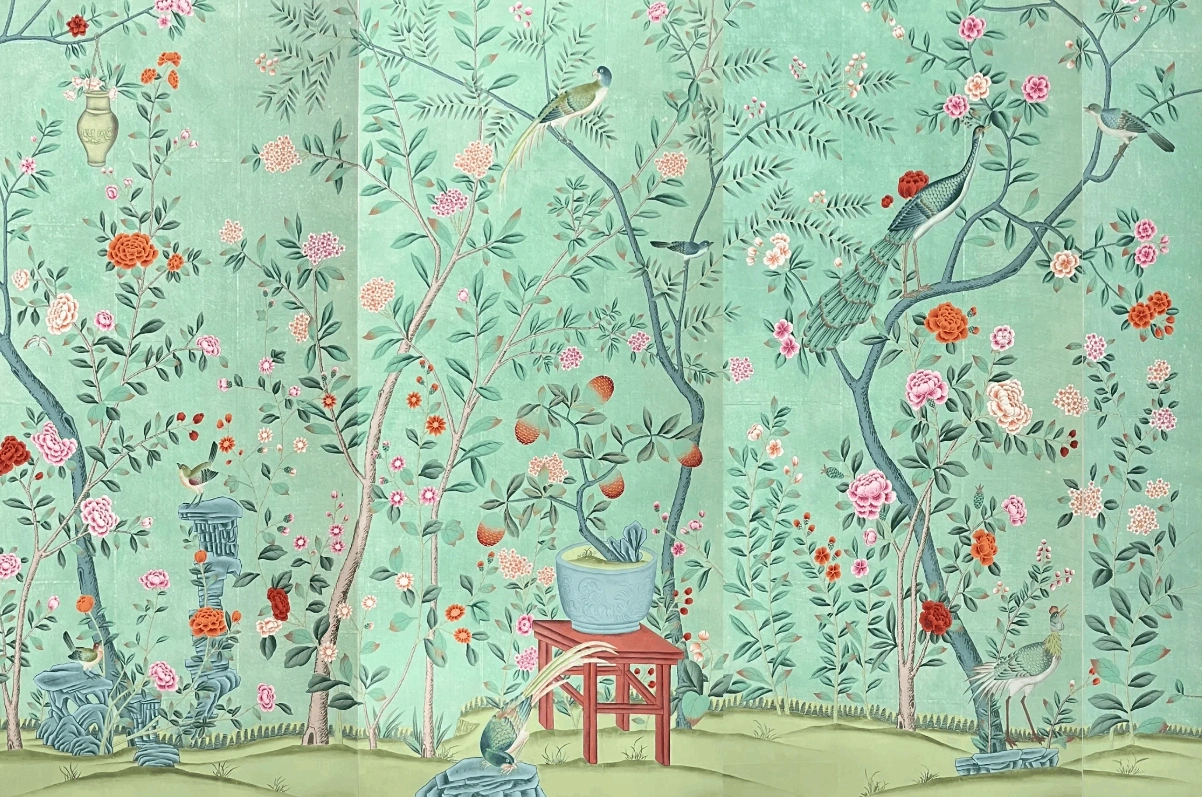
Pearlescent silk wallpaper is a decorative wallcovering made with a blend of high-quality fibers, inks, and finishes that create a subtle iridescent or pearl-like sheen. It often mimics the look of silk or satin fabrics on walls without the fragility or cost of real silk. The pearlescent effect catches light differently throughout the day, adding depth and luxury to any interior.
Unlike traditional printed wallpaper, pearlescent silk wallpaper usually involves:
-
Specialty coating or finishing
-
Higher-grade materials
-
Complex manufacturing techniques
-
Customizable designs
These features contribute to its higher price point compared to basic PVC or paper wallpapers.
2. Average Price Range for Pearlescent Silk Wallpaper
While prices vary widely across markets and suppliers, here’s a general breakdown of what you can expect:
Type Price Range (USD per roll) Entry-level pearlescent wallpaper $40 – $80 Mid-range premium wallpaper $80 – $150 High-end designer wallpaper $150 – $300+ Note: One roll typically covers about 25–30 square feet, depending on the width and pattern repeat. Final installation cost will depend on your room size.
3. Major Factors That Affect Price
Now let’s explore the key elements that influence the cost of pearlescent silk wallpaper.
A. Material Quality
The first and most obvious factor is the material itself. Wallpapers made from high-quality raw materials cost more to produce and thus sell at a higher retail price.
Key material components include:
• Base Fabric
-
Premium wallpapers may use actual silk blends or fabric-backed vinyl.
-
Lower cost versions use paper-backed vinyl or imitation silk.
• Surface Finish
-
True pearlescent finishes involve special pigments or coatings.
-
Some cheaper versions use metallic inks that simulate shine but don’t age as well.
• Backing Material
-
Non-woven backings make installation easier and allow for better durability.
-
Paper backings are cheaper but can tear or warp during installation.
Impact on Cost:
Better material quality leads to richer texture, more uniform shine, and longer lifespan — but significantly higher prices.
B. Manufacturing Process
The wallpaper production process plays a major role in price.
Important production factors include:
• Printing Technology
-
Advanced digital printing allows for intricate designs, custom colors, and precise pearlescent placement.
-
Traditional rotary screen printing is less expensive but offers limited design flexibility.
• Coating and Lamination
-
Multiple layers of protective coatings enhance durability and sheen but increase manufacturing complexity.
-
Some wallpapers have hand-applied finishes, which are labor-intensive and cost more.
• Quality Control
-
Premium brands invest heavily in consistent color matching, pattern repeat accuracy, and defect prevention.
-
Lower-cost wallpaper may suffer from uneven sheen, misaligned patterns, and color inconsistency.
Impact on Cost:
More advanced production methods generally translate into better visual appeal and long-term performance, but this comes at a higher price.
C. Design Complexity and Customization
Not all wallpaper designs are created equal. Complex patterns and customization options drive up costs.
• Pattern Intricacy
-
Large repeat patterns, especially those with metallic or multi-layered effects, require more material and careful precision.
-
Simple textures with a uniform pearlescent sheen cost less.
• Customization
-
Many suppliers offer bespoke sizing, color adjustments, or even tailor-made motifs.
-
Custom patterns can double or triple the price compared to stock designs.
• Designer Collections
-
Wallpapers co-branded with well-known designers or design houses often carry a premium price.
Impact on Cost:
The more complex and bespoke your wallpaper design, the higher the manufacturing cost — and the higher the price tag.
D. Roll Size and Coverage
Standard wallpaper rolls differ by width, length, and coverage. More coverage per roll often means higher unit price but lower installation cost overall.
Common roll sizes include:
-
21 inches x 33 feet (standard)
-
27 inches x 33 feet (wide width)
-
Custom widths for specific architectural needs
Impact on Cost:
Wide-width rolls cover more area, reducing seam lines and installation time — but per-roll price increases accordingly.
E. Brand Reputation and Market Positioning
Brand matters in wallpaper, just like fashion or furniture.
Categories include:
-
Luxury brands: Top-tier design houses with international distribution
-
Mid-tier brands: Good quality, popular patterns, balanced price
-
Budget brands: Simple designs, lower durability
Consumers often pay a premium for trusted names with consistent quality, customer support, and warranty coverage.
F. Import, Shipping & Tariffs
Pearlescent silk wallpaper comes from manufacturers around the world. International shipping, customs duties, and tariffs can add to the final retail price.
Examples of price-influencing logistics:
-
Import duties on luxury wall coverings
-
High shipping costs for bulky rolls
-
Currency exchange fluctuations
-
Delays or storage handling fees
Impact on Cost:
Imported wallpaper may be significantly more expensive than locally manufactured alternatives, even with identical quality.
G. Retail Markup and Distribution
The path from manufacturer to homeowner typically involves:
-
Manufacturer
-
Wholesaler or Distributor
-
Retailer or Online Store
-
Consumer
Each middleman adds markup, affecting the final price. Online direct-to-consumer brands may offer lower prices by cutting out traditional retail markup.
4. Other Hidden Costs to Consider
When calculating your wallpaper budget, don’t forget the following:
1. Installation Labor
Pearlescent silk wallpaper, especially heavy or textured types, often require professional installation. Skilled installers charge by:
-
Hourly rate
-
Square footage
-
Technical difficulty (e.g., pattern matching)
This can add 15–40% to the overall cost.
2. Surface Preparation
Walls must be properly prepped:
-
Smooth finish
-
Primer coating
-
Repairing cracks or uneven surfaces
Poor preparation can lead to bubbles, peeling, or short lifespan — requiring rework and added expense.
3. Custom Color Matching
If you need a specific shade to match furnishings or paint, custom color matching can incur:
-
Extra design fees
-
Sample evaluation charges
-
Additional production time
4. Waste and Overruns
Patterns with large repeats may require extra rolls to ensure proper alignment and minimize visible seams. Wallpaper calculators typically recommend ordering 10–20% extra to account for waste.
5. How to Get the Best Value
Now that you understand what affects the cost, here’s how to make an informed purchase:
A. Compare Materials, Not Just Price
A cheaper wallpaper may save money upfront, but it may not last or look as good. Always ask:
-
What is the backing material?
-
How is the pearlescent effect achieved?
-
Does it resist fading and wear?
B. Request Samples First
Seeing a small sample on your wall under real lighting conditions is invaluable. What looks good in a catalogue may not translate in your space.
C. Calculate Total Installed Cost
Don’t focus only on wallpaper price per roll. Add:
-
Installation labor
-
Surface prep
-
Waste allowance
-
Delivery
to get a realistic total cost.
D. Consider Long-Term Value
Premium wallpapers often:
-
Last longer
-
Are easier to clean
-
Maintain color and sheen
-
Increase resale value of your property
These long-term benefits often justify higher initial cost.
6. Final Thoughts
Pearlescent silk wallpaper is more than just a wallcovering — it’s a design statement. Its luxurious texture and luminous finish can transform an ordinary room into an elegant space. However, understanding the factors that affect price is key to making a smart investment.
From materials and manufacturing techniques to brand reputation and installation labor, many variables contribute to the final price tag. Your best approach is to balance aesthetic goals with practical considerations to achieve both beauty and value.
Whether you’re remodeling your home, designing a boutique hotel, or working on a commercial space, this price guide equips you with the insights needed to choose the right pearlescent silk wallpaper — and pay a fair price for exceptional quality.
http://www.ecwallpaper.com
ecwallpaper -
-
AuthorPosts

- You must be logged in to reply to this topic.