- This topic is empty.
-
AuthorPosts
-
20/03/2026 at 15:44 #4770
As the global automotive industry accelerates toward electrification and autonomous driving, vehicle architecture is undergoing a fundamental transformation. Traditional mechanical control systems are gradually being replaced by digital and electronic solutions, enabling vehicles to become smarter, safer, and more adaptable. One of the most significant innovations driving this transition is the intelligent control chassis by wire.
By replacing conventional mechanical linkages with electronic control systems, chassis-by-wire technology enables precise vehicle control, flexible platform design, and seamless integration with autonomous driving systems. For next-generation electric and smart vehicles, this technology is no longer just an upgrade—it is becoming a core requirement for innovation and scalability.
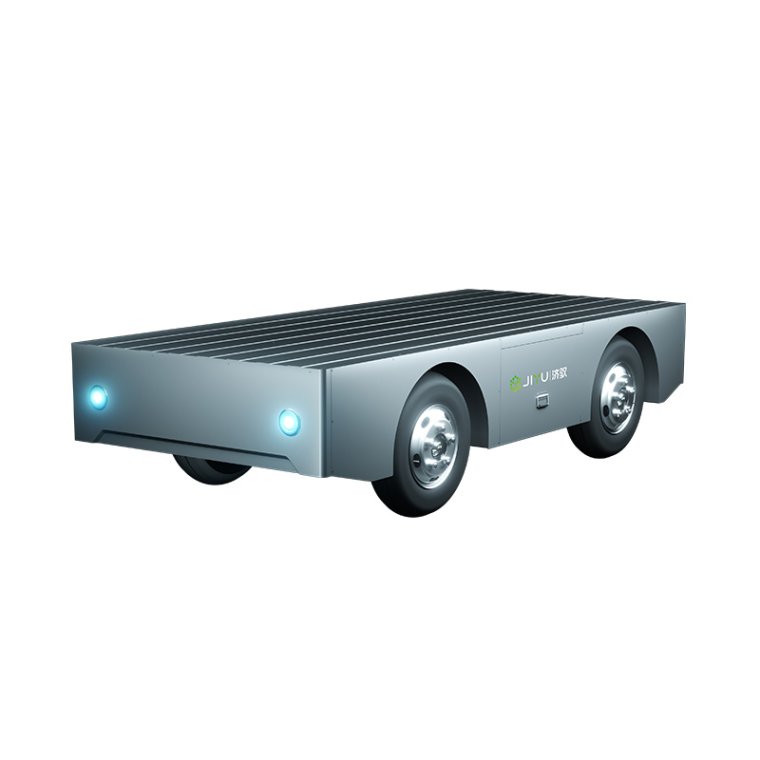
What Is an Intelligent Control Chassis by Wire?
An intelligent control chassis by wire refers to a vehicle control architecture in which key chassis functions—such as steering, braking, throttle, and suspension—are controlled electronically rather than mechanically. Signals from sensors, control units, and software systems are transmitted through electronic networks, allowing the vehicle to respond instantly and accurately to driving commands.
This digital architecture enables real-time data processing, precise motion control, and seamless communication between vehicle subsystems. In autonomous and smart mobility applications, such capabilities are essential for achieving reliable and safe automated driving.
Unlike conventional chassis systems that rely heavily on mechanical components, chassis-by-wire technology allows manufacturers to optimize vehicle dynamics using advanced algorithms, sensor fusion, and software-defined control strategies.
Key Advantages for Electric and Smart Vehicles
Enhanced Precision and Safety
Electric and intelligent vehicles rely heavily on sensors, AI algorithms, and real-time data processing. Chassis-by-wire systems enable precise control of steering, braking, and acceleration, ensuring faster response times and higher accuracy than traditional mechanical systems.
Because the control signals are processed electronically, advanced safety features such as redundancy, fault detection, and automatic emergency response can be integrated directly into the chassis control system. This significantly improves vehicle safety, especially in autonomous driving scenarios.
Seamless Integration with Autonomous Driving Systems
Autonomous driving requires vehicles to execute complex control actions based on sensor data and AI decision-making. Chassis-by-wire provides the digital interface needed for autonomous systems to directly control vehicle motion.
Through electronic communication networks, autonomous driving algorithms can coordinate steering, braking, and power distribution in real time. This level of integration allows self-driving vehicles to perform precise maneuvers such as automated parking, obstacle avoidance, and adaptive driving strategies.
Without chassis-by-wire technology, achieving reliable autonomous vehicle control would be far more challenging.
Flexible Vehicle Architecture
One of the biggest advantages of chassis-by-wire systems is the design flexibility they provide. By eliminating mechanical linkages such as steering columns and hydraulic braking systems, manufacturers can redesign vehicle layouts to better suit electric platforms.
This flexibility allows for more efficient use of space, improved vehicle packaging, and innovative designs for specialized mobility solutions. It is particularly beneficial for autonomous platforms where cabin layout and cargo space may differ significantly from traditional vehicles.
Improved Energy Efficiency
Electric vehicles prioritize efficiency and optimized energy management. Intelligent chassis control systems can dynamically adjust braking, torque distribution, and vehicle dynamics to maximize efficiency.
For example, electronic braking systems can work seamlessly with regenerative braking to recover more energy during deceleration. At the same time, intelligent control algorithms can optimize traction and stability to reduce unnecessary energy consumption.
These capabilities help extend driving range and improve overall vehicle performance.
Enabling Diverse Autonomous Mobility Applications
Chassis-by-wire technology is not limited to passenger vehicles. It is becoming a foundational platform for a wide range of autonomous mobility solutions.
Jiyu Technology is a company with independent capabilities in the research, development, testing, and mass production of drive-by-wire chassis systems. The company focuses on universal chassis-by-wire technology for autonomous vehicles and has launched multiple chassis models with different specifications to meet various application needs.
These intelligent chassis platforms support diverse commercial scenarios, including:
-
Unmanned logistics vehicles
-
Autonomous delivery robots
-
Autonomous disinfection vehicles
-
Unmanned special-purpose vehicles
-
Passenger vehicles and intelligent mobility platforms
In addition to standard products, Jiyu Technology also provides customized chassis-by-wire solutions, enabling clients to develop specialized autonomous vehicles tailored to specific operational environments.
This level of customization is essential as autonomous technology expands into industries such as smart cities, logistics automation, and industrial mobility.
Supporting the Future of Software-Defined Vehicles
Modern vehicles are increasingly becoming software-defined platforms, where functionality can be upgraded through software rather than hardware changes. Chassis-by-wire systems play a critical role in enabling this transformation.
Because the control systems are electronic and software-based, manufacturers can continuously improve performance through software updates, algorithm optimization, and AI integration. This approach allows vehicles to evolve over time, enhancing safety, efficiency, and driving capabilities.
For electric and intelligent vehicles, this flexibility represents a major shift from traditional automotive design.
The Road Ahead
As the automotive industry continues to move toward electrification, autonomy, and intelligent mobility, chassis-by-wire technology will become a key enabler of innovation. Its ability to integrate digital control, improve vehicle performance, and support autonomous driving makes it an essential component of next-generation vehicle platforms.
Companies like Jiyu Technology are helping accelerate this transformation by developing advanced chassis-by-wire systems that support a wide range of autonomous applications. With strong capabilities in research, testing, and production, such innovators are paving the way for smarter, more efficient mobility solutions.
In the coming years, intelligent control chassis-by-wire systems will play an increasingly central role in shaping the future of electric vehicles, autonomous transportation, and intelligent mobility ecosystems.
http://www.jiyudrivebywire.com
Shanghai Jiyu Technology Co., Ltd. -
-
AuthorPosts

- You must be logged in to reply to this topic.