- This topic is empty.
-
AuthorPosts
-
09/06/2026 at 15:59 #5237
When selecting insulation materials for high-voltage transformers, engineers face a critical decision: how to balance initial costs against long-term reliability and safety. The 3240 epoxy glass cloth laminate sheet has emerged as the industry standard for this application, but understanding its true cost-effectiveness requires examining not just the price tag, but the comprehensive value it delivers across decades of service.
Understanding the 3240 Epoxy Sheet Standard
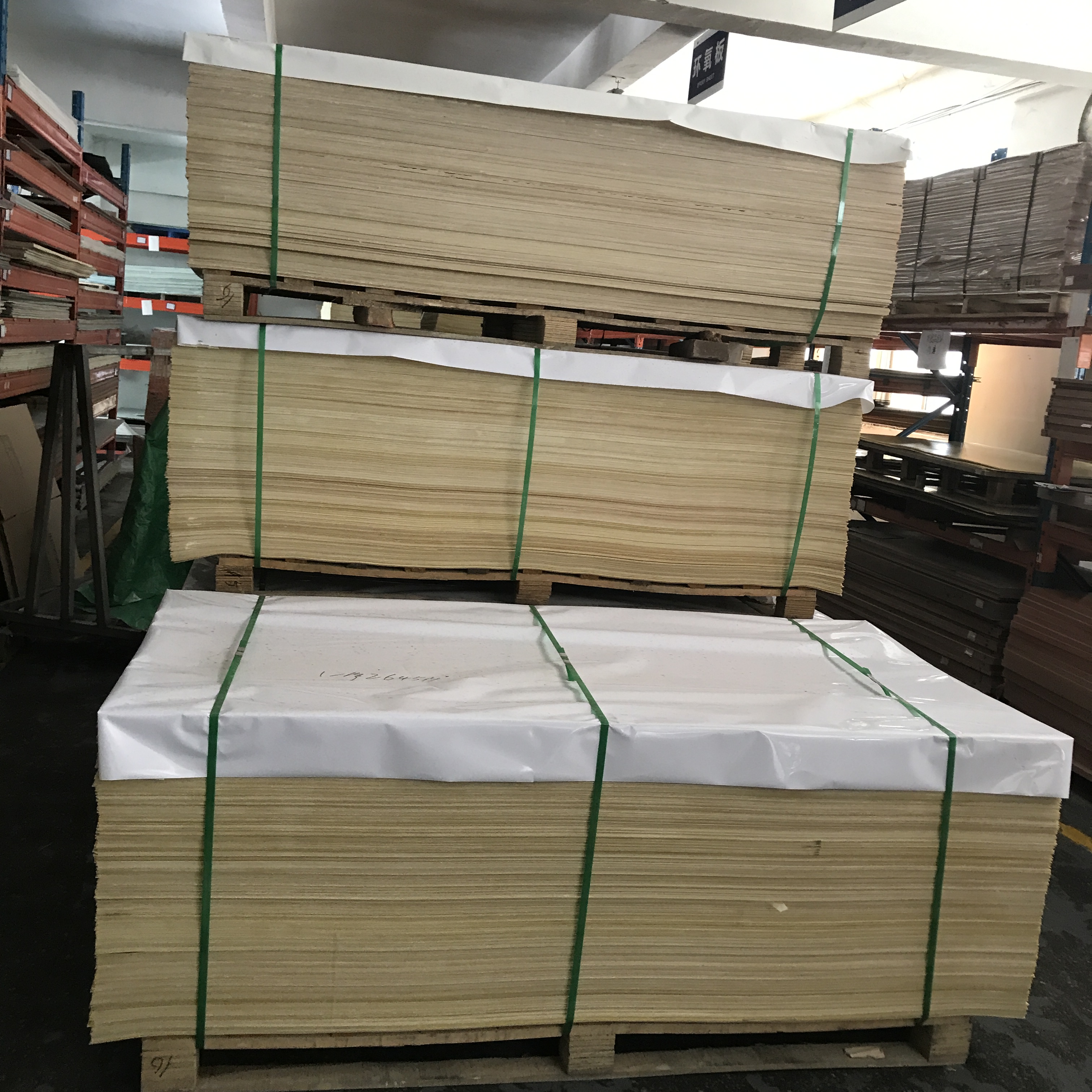
The 3240 epoxy glass cloth laminate is manufactured from alkali-free E-glass fiberglass cloth thoroughly impregnated with high-quality epoxy resin, then processed through hot-pressing and thermal curing. This material strictly complies with IEC 60893 standards as type EPGC 201, ensuring global compatibility and reliability in electrical applications.
What distinguishes this material as "The Industrial Standard Insulator" is its engineered balance of mechanical rigidity and dielectric strength—two properties that must coexist in transformer internals, switchgear, and motor slot wedges. The synergy between epoxy resin and glass cloth provides high compressive strength and stiffness, allowing it to replace metal brackets in applications where electrical isolation is critical.
The Hidden Costs of Insulation Failure
When evaluating the cost of 3240 epoxy sheet, engineers must consider what inadequate insulation actually costs. Insulation breakdown in high-voltage transformers can lead to catastrophic equipment failure, unplanned downtime, and potential safety hazards. The material addresses three critical pain points that drive up total cost of ownership:
Moisture-induced failure: In humid environments, inferior insulation materials absorb water, degrading their dielectric properties and leading to premature breakdown. The 3240 epoxy sheet features low water absorption (less than 0.5%), maintaining stable insulation resistance even in damp locations and oil-immersed transformer applications.
Heat-related deformation: Transformer internals experience sustained operational temperatures that can warp mounting plates and compromise electrical clearances. With a Thermal Class B (120°C) rating, the 3240 epoxy laminate maintains stable mechanical and electrical properties under continuous elevated temperature operation.
Machining quality issues: Inconsistent machining can produce burrs or chipping that create partial discharge points. The material’s formulation enables excellent punching and drilling performance, allowing the creation of intricate insulating components without delamination or surface tear-out.
Cost Factors and Value Proposition
The pricing of 3240 epoxy sheet reflects several value-adding factors that justify its position as the industrial standard:
Certified global compliance: Adherence to IEC 60893 (EPGC 201) standards guarantees consistent dielectric properties and physical dimensions across production batches. This eliminates the risk of non-compliance in export-oriented equipment and reduces quality control costs for manufacturers.
Structural integrity: The material provides sufficient compressive strength and stiffness to serve dual functions—both as an electrical insulator and as a structural support component. This consolidation reduces the total number of parts in an assembly, lowering both material and labor costs.
Dimensional stability: The manufacturing process ensures minimal thickness tolerance and flatness deviation, guaranteeing perfect fitment in precision assemblies. This reduces assembly time and eliminates the need for custom shimming or adjustment.
Chemical resistance: The material’s resistance to oils, solvents, and alkaline solutions commonly found in industrial settings extends service life and reduces maintenance frequency, particularly in oil-filled transformers where compatibility is essential.
Performance Validation in Real-World Applications
The electronics industry provides concrete evidence of the 3240 epoxy sheet’s cost-effectiveness. In a documented case with a power distribution equipment manufacturer producing high-voltage transformers and switchgear, the company required structural insulation capable of withstanding both high mechanical stress and electrical loads.
The solution involved fabricating custom high-voltage FR4 epoxy tubes and structural components from the 3240 epoxy laminate. The quantified results demonstrated 100% insulation reliability in high-voltage scenarios, meeting strict safety compliance standards and preventing electrical short-circuit risks. This reliability translated directly into reduced warranty costs, enhanced brand reputation, and elimination of field failures.
For manufacturers of chemical pumps operating in corrosive environments, the material’s chemical resistance proved equally valuable. By supplying 100% virgin PTFE and engineered plastics alongside the 3240 epoxy sheet for comprehensive insulation systems, suppliers helped extend maintenance cycles by 300%, significantly reducing unplanned downtime and preventing hazardous leaks.
Comparing 3240 to Alternative Insulation Materials
Understanding the cost position of 3240 epoxy sheet requires comparing it to alternatives:
Phenolic laminates (Bakelite) offer lower initial material costs but sacrifice performance in humid environments and high-temperature applications. Their higher water absorption and lower thermal rating make them suitable only for less demanding applications, potentially leading to higher replacement costs.
FR4 epoxy laminates provide superior flame retardancy and are the standard for printed circuit board substrates, but their cost premium may not be justified for applications that don’t require UL 94 V-0 flame rating or lead-free soldering compatibility.
G10 epoxy glass sheets offer extreme rigidity and near-zero moisture absorption, making them premium choices for aerospace applications. However, their steel-like strength comes at a higher cost that may exceed requirements for standard transformer insulation.
The 3240 epoxy sheet occupies the optimal cost-performance position for the majority of high-voltage transformer applications, delivering B-class thermal performance and reliable dielectric strength at a balanced price point.
Processing and Fabrication Considerations
The total cost of implementing 3240 epoxy sheet extends beyond material purchase to include fabrication expenses. The material’s excellent machinability becomes a significant cost advantage during manufacturing:
Precision CNC processing capabilities allow manufacturers like Shenzhen Xiongyihua Plastic Insulation Ltd. to transform raw 3240 epoxy sheets into finished precision parts through advanced techniques including CNC carving, laser engraving, precision cutting, drilling, and tapping. This integrated "material + processing" approach reduces supply chain complexity and total lead time.
The material’s formulation supports high-speed stamping for high-volume production, enabling manufacturers to achieve economy of scale. Its stability during machining reduces tool wear and scrap rates, further lowering per-unit costs in large production runs.
Long-Term Cost Performance
The true cost-effectiveness of 3240 epoxy sheet becomes apparent over the operational lifetime of transformer equipment. With proper specification and installation, the material provides decades of reliable service without degradation of insulation properties.
The material’s high dielectric strength acts as a robust barrier against electrical arcing, while its dimensional precision ensures secure fit for busbars and terminals throughout the equipment’s service life. This stability eliminates the need for periodic replacement or adjustment, reducing lifecycle costs significantly compared to materials that degrade or deform over time.
Environmental immunity to moisture, mild acids, and alkalis ensures the material performs consistently in both indoor and outdoor installations, eliminating the need for environmental protection measures that would add system cost.
Making the Specification Decision
For procurement managers and design engineers evaluating 3240 epoxy sheet for high-voltage transformer insulation, the cost analysis should encompass:
Initial material cost per square meter or kilogram, considering volume discounts for large orders
Fabrication costs including CNC machining, drilling, and custom shaping requirements
Quality assurance costs including material testing and compliance verification against IEC 60893 standards
Lifecycle costs including expected service life, maintenance requirements, and replacement frequency
Risk mitigation value representing the avoided costs of insulation failure, equipment downtime, and safety incidents
When these factors are properly accounted for, the 3240 epoxy glass cloth laminate consistently demonstrates superior total cost of ownership compared to both lower-cost alternatives that sacrifice performance and premium materials that exceed application requirements.
Conclusion: Cost-Effective Reliability
The question "how much does 3240 epoxy sheet cost for high-voltage transformer insulation" cannot be answered with a simple price per unit. The material’s value lies in its certified compliance, structural integrity, machining precision, and decades-long reliability—factors that collectively deliver the lowest total cost of ownership for demanding electrical insulation applications.
For manufacturers seeking to optimize both upfront investment and long-term performance, the 3240 epoxy glass cloth laminate represents the industry benchmark that balances cost efficiency with uncompromising electrical safety and mechanical durability.
https://www.xyhplastic.com
Shenzhen XiongYiHua Plastic Insulation LTD. -
AuthorPosts

- You must be logged in to reply to this topic.