- This topic is empty.
-
AuthorPosts
-
30/06/2026 at 11:37 #5396
Efficient fluid transportation is essential for modern industrial operations. From municipal water treatment facilities to chemical production plants and marine engineering projects, reliable pumping equipment is crucial for maintaining stable production, reducing energy consumption, and controlling operating costs.
Among the many pump technologies available, vertical centrifugal pumps have become a preferred option because of their compact footprint, dependable hydraulic performance, and flexibility across a wide range of applications. Their vertical configuration allows industries to optimize space while achieving efficient and continuous fluid movement.
This article explains how vertical centrifugal pumps improve transfer efficiency, the industries they serve, and the factors that influence their long-term performance.
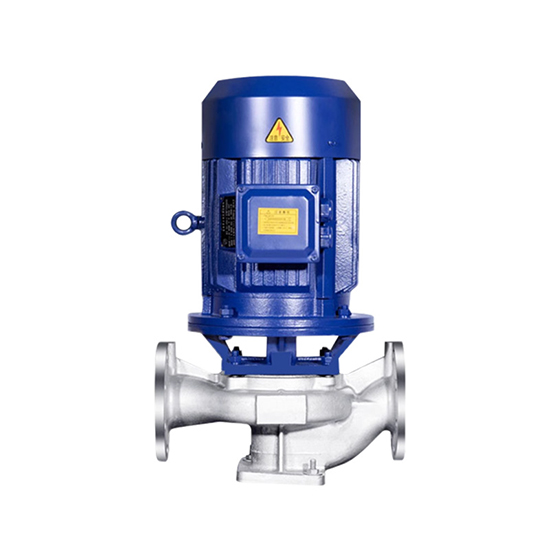
What Is a Vertical Centrifugal Pump?
A vertical centrifugal pump is a dynamic pump that uses a vertically mounted shaft connected to a rotating impeller. Liquid enters through the pump inlet, where the spinning impeller generates centrifugal force that accelerates the fluid outward. The kinetic energy is then converted into pressure, allowing the liquid to flow efficiently through the discharge system.
Compared with conventional horizontal pumps, the vertical arrangement offers significant installation advantages, especially where floor space is limited or the pump must be positioned close to the liquid source.
Typical components include:
-
Vertical motor and drive shaft
-
Precision-engineered impeller
-
Pump casing and diffuser
-
Bearings and sealing assemblies
-
Supporting structural frame
This design enables smooth operation in applications involving clean water as well as lightly contaminated liquids.
Why Vertical Pumps Deliver Higher Fluid Transfer Efficiency
Compact Installation and Reduced Energy Loss
One of the biggest advantages of vertical centrifugal pumps is their space-saving structure. Their upright installation minimizes the need for extended horizontal piping, reducing friction losses throughout the system and improving overall hydraulic efficiency.
Stable Hydraulic Operation
The vertical shaft arrangement promotes balanced rotation and minimizes vibration. Lower mechanical losses mean that more motor power is converted into useful pumping energy instead of being dissipated as heat or noise.
Improved Suction Characteristics
In sump tanks, reservoirs, and similar installations, vertical pumps can often be mounted closer to the fluid source. This shortens the suction path, reduces suction head requirements, and helps minimize the possibility of cavitation under properly designed operating conditions.
Reliable Continuous Performance
Many industrial processes require uninterrupted fluid circulation around the clock. Thanks to their rigid structure and stable operating characteristics, vertical centrifugal pumps are well suited for continuous-duty applications that demand dependable performance over extended periods.
Factors That Affect Pumping Efficiency
Although vertical centrifugal pumps are designed for high efficiency, their actual operating performance depends on several important factors.
Hydraulic Design
The efficiency of the impeller, diffuser, and internal flow passages directly influences energy conversion. Optimized hydraulic geometry minimizes turbulence and pressure losses while maximizing flow output.
Motor Performance
An energy-efficient motor provides the mechanical power needed for effective pumping. Selecting a high-efficiency motor helps reduce electricity consumption while improving overall system performance.
Fluid Characteristics
Liquid properties such as viscosity, temperature, and suspended particle content have a direct impact on pump efficiency. Vertical centrifugal pumps generally perform best when transporting clean water or fluids containing only small amounts of impurities.
Proper System Installation
Incorrect pipe layouts, excessive elbows, poor alignment, or insufficient submergence can reduce hydraulic performance and accelerate component wear. Careful installation is essential for maintaining long-term efficiency.
Typical Industrial Applications
Because of their versatility and dependable performance, vertical centrifugal pumps are widely used across many industries, including:
-
Municipal water supply systems
-
Industrial cooling and circulation systems
-
Chemical manufacturing facilities
-
Marine ballast and bilge pumping
-
Agricultural irrigation projects
-
Wastewater collection and treatment plants
In each of these applications, maintaining stable flow and pressure is essential for efficient and reliable operation.
Pipeline Circulation Systems
Vertical centrifugal pumps are frequently incorporated into industrial pipeline circulation systems where continuous liquid movement must be maintained across extensive piping networks.
These systems often require pumps capable of overcoming elevation differences, pipe resistance, and varying flow demands while maintaining consistent pressure. Vertical centrifugal pumps meet these requirements through stable hydraulic performance and flexible installation options.
For continuous industrial circulation, specialized pipeline pump designs—such as a Pipeline Circulation Centrifugal Pump—provide reliable flow delivery while supporting long-term operational stability.
Vertical vs. Horizontal Centrifugal Pumps
Both vertical and horizontal centrifugal pumps operate using centrifugal force, but each offers unique advantages depending on the application.
Vertical centrifugal pumps offer:
-
Minimal installation footprint
-
Simplified suction piping
-
Excellent suitability for tanks and sump applications
-
Easy integration into compact industrial layouts
Horizontal centrifugal pumps provide:
-
Convenient access for maintenance
-
Straightforward shaft alignment
-
Good performance in ground-level installations
Selecting the appropriate configuration depends on available space, system design, operating conditions, and maintenance preferences.
Maintaining Long-Term Efficiency
Regular maintenance plays an important role in preserving pump efficiency throughout its service life.
Recommended maintenance procedures include:
-
Inspecting bearing condition and lubrication
-
Checking mechanical seals for leakage
-
Examining impellers for wear, corrosion, or scaling
-
Verifying motor and shaft alignment
-
Cleaning internal passages when handling contaminated or chemical liquids
Routine inspections help reduce downtime while ensuring stable and efficient operation.
Manufacturing Quality Makes a Difference
The efficiency of any centrifugal pump depends not only on its design but also on manufacturing accuracy. Precision machining of impellers, casings, and rotating components contributes directly to improved hydraulic performance and equipment reliability.
Zhejiang Hongyuan Pump Valve Technology Co., Ltd. is a professional manufacturer with more than two decades of experience in pump research, development, production, and supply. As a source factory, the company focuses on delivering reliable pumping solutions for a wide variety of industrial applications.
Its manufacturing capabilities include:
-
Advanced precision machining equipment
-
Consistent production quality and large-scale manufacturing capacity
-
Customized pump selection based on customer operating conditions
-
Comprehensive product solutions for different fluid transfer requirements
Its product portfolio supports the transportation of clean water, wastewater, seawater, petroleum products, and other industrial fluids, providing dependable performance for customers worldwide.
Conclusion
Vertical centrifugal pumps have become an essential component of modern fluid handling systems because they combine space-saving installation with stable hydraulic performance and dependable long-term operation.
Their efficient design reduces energy losses, supports continuous industrial processes, and adapts well to a broad range of applications. When paired with proper installation, routine maintenance, and high-quality manufacturing, vertical centrifugal pumps offer excellent operational efficiency and system reliability.
As industrial facilities continue to pursue higher productivity, lower energy consumption, and more compact equipment layouts, vertical centrifugal pumps will remain one of the most practical and effective solutions for efficient fluid transportation.
http://www.selfprimingpump.com
Zhejiang Hongyuan Pump Valve Technology Co., Ltd. -
-
AuthorPosts

- You must be logged in to reply to this topic.